What to know about parking permits Southwark Council for removals
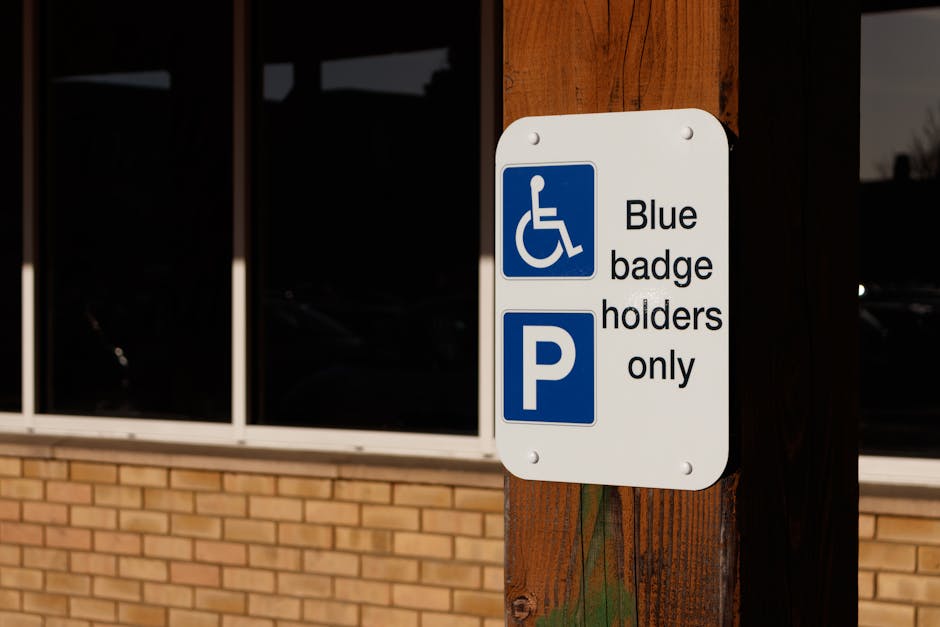
If you are moving home or office in Southwark, parking can become the bit that quietly unravels the whole day. A van arrives, boxes are stacked by the door, and then someone notices there is nowhere legal to stop. That is exactly why understanding What to know about parking permits Southwark Council for removals matters before moving day, not after the driver is already circling the street.
This guide explains the practical side of removal parking in Southwark: why it matters, how it usually works in real life, who needs to think about it, and the mistakes that can turn a straightforward move into a stressful one. You will also get a simple checklist, a comparison of common parking approaches, and a realistic example of how the whole thing tends to play out. No fluff. Just the useful bits.
- Why parking permits matter for removals
- How the permit process works in practice
- Key benefits and practical advantages
- Who needs a permit and when it makes sense
- Step-by-step guidance
- Expert tips for a smoother move
- Common mistakes to avoid
- Tools, resources and recommendations
- Law, compliance and best practice
- Options and comparison table
- Real-world example
- Practical checklist
- Frequently asked questions
Why What to know about parking permits Southwark Council for removals Matters
Parking is not just a small admin task on moving day. It affects timing, access, labour, and sometimes even whether the move can happen efficiently at all. In Southwark, many streets are busy, tightly parked, or subject to restrictions that can catch out even careful planners. A removal van that cannot stop near the entrance means longer carrying distances, slower loading, and a lot more back-and-forth.
That sounds minor until you are standing outside with a sofa, a rainy stairwell, and a driver who has had to park two streets away. Then it suddenly becomes the main event. To be fair, this is one of those things people only think about once. The sensible approach is to treat parking as part of the move itself, not as a side note.
For removals in a borough like Southwark, parking permits can help reduce disruption, improve safety, and keep the move on schedule. They may also help avoid fines or complaints from neighbours if the van is stopped where it should not be. For larger jobs, or if you are using professional help such as removal services or a man with van setup, the parking plan should be sorted before the first box leaves the flat.
Expert summary: The permit is rarely the glamorous part of a move, but it often decides whether the day runs smoothly or becomes a juggling act. If you leave it too late, the van may still come-but the whole operation becomes slower, harder, and more expensive in effort.
How What to know about parking permits Southwark Council for removals Works
In practical terms, a removal parking permit is a way of authorising a vehicle to stop or park in a location that may otherwise be restricted, or to avoid the usual penalties associated with stopping there during a move. The details can vary depending on the street, the type of bay, the time of day, and the permit rules that apply to that location.
Usually, the process starts with checking the exact address and the road outside it. That matters because one side of a street can be different from the other, and loading bays, resident bays, pay-and-display bays, and single yellow lines are not interchangeable. If you are moving from a flat on a narrow residential road, or into a busy parade near shops, you may need a plan that is more careful than a simple "park outside and unload" approach.
For removals, the key questions are often:
- Can the van legally stop close enough to the property?
- Is there a loading bay, resident bay, or time-limited stopping restriction?
- Does the vehicle need advance permission or a dispensation?
- How long will the van need to stay in place while loading or unloading?
- Will the move involve multiple trips, a larger lorry, or a second vehicle?
One useful way to think about it is this: the parking arrangement is part of the logistics, just like packing and access. If you are already arranging packing and boxes or booking home moves, parking should sit in the same planning conversation, not at the end of it.
And yes, the exact rules and application methods can change. So the safest habit is always to confirm the current local requirements for the street and date of your move rather than relying on what worked for a friend last year. Councils do tweak processes, and streets in London have a way of surprising people.
Key Benefits and Practical Advantages
Getting parking sorted properly is not just about avoiding trouble. There are some very direct benefits that make the whole removal easier and calmer.
- Shorter carrying distances: The closer the van can get to the entrance, the faster everything moves.
- Less risk of damage: Long carries increase the chance of knocks, dropped items, and scratched walls.
- Better time control: A parked van near the property keeps the schedule tighter and more predictable.
- Reduced stress: Nobody enjoys a last-minute scramble for a legal stopping place while the lift is booked and the kettle is already packed.
- Safer handling: Repeated trips over longer distances can be tiring and awkward, especially with bulky furniture.
For people moving out of a flat, the benefit is even clearer. A permit can make a big difference to whether the van is actually close enough for efficient loading. That is especially true for upper-floor flats, where every extra metre counts. If your move includes awkward items, a service like furniture removals can be much easier when the vehicle can stop sensibly outside.
There is also a knock-on effect on neighbour relations. A properly planned removal tends to look more orderly. Fewer blocked drives, fewer frustrated residents, fewer awkward moments. Let's face it, nobody wants to be the moving-day story on the street.
Who This Is For and When It Makes Sense
Not every move in Southwark needs the same parking approach. But as a rule, if your property is on a road with restrictions, limited space, or heavy daytime parking pressure, you should plan for a permit or equivalent arrangement.
This is especially relevant for:
- people moving from or into flats with no private driveway
- households on narrow residential roads
- students moving in or out of shared accommodation
- small business owners relocating equipment
- offices shifting stock, desks, archive boxes, or IT kit
- anyone using a larger van or lorry for a full load
If your move is compact and you are using a smaller vehicle, sometimes a short loading stop may be enough. If the job is more substantial, or you are dealing with awkward access, then a removal van, a removal van, or even removal truck hire may need more careful parking planning than expected.
Commercial moves often need extra attention because the timetable may be tighter and the vehicle may need to stay near the property for longer. In those cases, services such as commercial moves or office removals tend to benefit from a proper parking check well ahead of time.
Step-by-Step Guidance
Here is a sensible, no-nonsense way to handle parking for removals in Southwark.
- Check the address and street layout. Look at where the van could realistically stop, where it would block less, and whether there is a loading area nearby.
- Identify the restriction type. Resident bay? Single yellow line? Red route? Loading bay? Different rules can apply, and this is where people often go wrong.
- Confirm the vehicle size. A small van, a long wheelbase van, and a box truck do not behave the same way on a tight street.
- Work out the time window. Will the van need to park for ten minutes or a few hours? That affects what kind of permission or arrangement may be needed.
- Plan for access delays. If there are stairs, lifts, coded entrances, or awkward turns, allow more time than you think you need. Always.
- Align parking with the moving schedule. If the lift is booked at 10:00 and the van cannot park until 10:30, you already have a problem.
- Keep proof and notes together. Save any permit details, booking references, dates, and any instructions for the driver.
- Brief the removals team. Make sure everyone knows where the van should stop, what the access is like, and who is handling the parking side of things.
A practical move plan usually links parking with the other pieces of the job. If you are using house removals, arranging packing and unpacking services, or even storing items temporarily with storage, the parking decision should fit the overall logistics rather than being treated as an afterthought.
One more thing. If your move is time-sensitive, get the parking sorted earlier than feels necessary. It is a bit like packing your last toothbrush in a mysterious box; technically possible, but not smart.
Expert Tips for Better Results
There are a few habits that make a removal parking plan work much better in the real world.
- Measure the access before moving day. A street can look fine on paper and still be awkward in person. Low branches, tight corners, or a busy school run can change everything.
- Choose the vehicle to match the street. A smaller vehicle can sometimes save time if the road is cramped. Bigger is not always better.
- Factor in the weather. Wet stairs and slippery pavements slow everything down. In early morning drizzle, every carry takes a bit longer.
- Have a backup plan. If the prime stopping spot is unavailable, know where the second-best option is before you arrive.
- Label items by room. That saves time if the van has to park slightly farther away than planned.
- Coordinate with neighbours where sensible. A heads-up can prevent arguments over temporarily blocked access or shared bays.
If you are booking a team for a bigger move, ask how they prefer to handle parking and loading. Some crews work best when the van is positioned in a very specific way. Others need flexible timing. A quick conversation on the phone can save a surprising amount of faff later.
For smaller moves or student relocations, a lighter-touch service such as student removals or man and van may be enough, but the parking still needs attention. Smaller job, same street restrictions. The street does not really care how many boxes you have.
Common Mistakes to Avoid
Most parking problems come from a handful of predictable mistakes. You can avoid nearly all of them with a bit of patience.
- Leaving it too late. The most common one. People sort the van, the boxes, the keys, and then remember the parking the night before.
- Assuming the space outside is usable. It may look free, but that does not mean it is legal or appropriate for loading.
- Forgetting the return trip. Some moves require multiple runs. A stop that works once may not work for the whole day.
- Using the wrong vehicle assumption. A permit or stopping arrangement for a small van may not suit a larger removal truck.
- Not checking nearby restrictions. A nearby junction, dropped kerb, or school entrance can matter more than you expect.
- Failing to tell the removals team. If the driver is not given clear instructions, they may have to improvise. That is rarely ideal.
One particularly awkward mistake is forgetting that moving day is already full of competing priorities. You are managing keys, energy levels, fragile items, pets, and probably a half-drunk cup of tea somewhere. Parking needs to be one of the things you remove from your mental load early, not something you keep thinking, "I'll sort that later."
Tools, Resources and Recommendations
You do not need a huge toolkit, but a few simple things make the process easier.
- A printed or saved street plan: Helpful for visualising where the vehicle can stop and where it should not.
- Phone photos of the road: Useful when briefing a removals crew or checking the space after a visit.
- A written moving schedule: Keep parking timing alongside key collection and access times.
- Box labels and room notes: Reduces the time the van needs to stay loaded at the kerbside.
- Clear contact details: If the driver needs a quick update, nobody wants to hunt through messages while standing in the rain.
It can also help to compare services before you book. Some movers are very good at handling complex access and vehicle positioning, while others are better suited to simpler jobs. If you are not sure what level of support you need, start with removal companies information and then narrow down the service fit. For example, a full household move may suit house removals, whereas a smaller or more flexible job might be better served by man with a van.
If you are comparing pricing, it is sensible to look at the total picture rather than just the headline number. Parking difficulty, carrying distance, and access can all influence how much work is involved. For that reason, a quote discussion with pricing and quotes information can be more useful than trying to guess from the street outside.
Law, Compliance, Standards, or Best Practice
Parking for removals sits in the world of local traffic rules, road markings, and practical compliance. The exact legal position depends on the location and restrictions in force on the day. That is why it is important to verify the current arrangements for the address rather than relying on general assumptions.
From a best-practice point of view, the core principles are straightforward:
- do not stop where parking or loading is clearly prohibited
- do not assume a moving van gets automatic exemption
- make sure the vehicle matches the stop you intend to make
- keep evidence of any arrangement, where relevant
- respect neighbours, access routes, and safety around pedestrians
There is also a health-and-safety angle. Professional removals teams need safe access to carry furniture and boxes without creating trip hazards or blocking emergency access. Good operators will usually treat the parking plan as part of their safety planning, alongside items such as manual handling, load security, and route planning. If you want to understand that broader approach, it is worth reading a company's health and safety policy and insurance and safety information.
For business moves, additional care is sensible because there may be IT equipment, records, or customer-facing premises involved. In those cases, parking and access should be checked alongside internal movement plans and opening hours. A rushed office move looks messy. And noisy. Nobody enjoys that.
Options, Methods, or Comparison Table
Different moves call for different parking approaches. Here is a simple comparison to help you think it through.
| Option | Best for | Pros | Trade-offs |
|---|---|---|---|
| Short kerbside loading stop | Small, fast moves with easy access | Simple, quick, often low-fuss | Only works when restrictions allow it |
| Permit-based parking | Standard home removals in restricted streets | More secure and predictable access | Needs advance planning and correct details |
| Loading bay arrangement | Busy streets or timed unloading windows | Close access, clearer operational space | May be time-limited or highly regulated |
| Smaller vehicle with flexible positioning | Narrow roads and flat moves | Can fit tighter spaces more easily | May require more trips |
| Larger removal truck hire | Full-house or office moves | More capacity, fewer runs | Harder to park on tight Southwark streets |
In many cases, the choice comes down to balancing capacity against access. A big truck might seem efficient, but if it cannot park legally close enough to the property, the efficiency disappears fast. Meanwhile, a smaller van may need an extra journey but end up saving time overall because it can stop nearer the door.
Case Study or Real-World Example
Here is a realistic moving-day scenario.
A family is moving from a first-floor flat on a Southwark street with limited free space and busy daytime parking. The building has a tight stairwell and a shared entrance, so the team needs a spot where the van can sit safely and close to the property. The move includes a sofa, bed frames, several boxes of books, and a few awkward lamps that always seem to get in the way.
At first, the family assumes the van can just stop outside for an hour. But after checking the street layout, they realise the free space is usually taken early and the nearest workable stopping point sits near a junction. Because of that, they arrange the parking properly in advance and choose a vehicle that is large enough for the job but still manageable on the street. The driver arrives, parks in the planned spot, and the loading starts without drama.
The result? Fewer trips, less carrying, no awkward arguments with neighbours, and far less sweat in the stairwell. Small win, big difference. It is one of those moving-day details that nobody talks about later, because everything went smoothly. Which is exactly the point.
If the same family had left parking until the morning of the move, the day would likely have included delay, pressure, and some rather less polite language in the hallway. Not impossible to recover from, but unnecessary.
Practical Checklist
Use this checklist a few days before the move, and again the day before.
- Confirm the moving address and exact street location
- Check whether the van can legally stop near the property
- Review road markings and any loading or parking restrictions
- Match the vehicle size to the street conditions
- Plan the loading and unloading window
- Tell the removals team about access issues, stairs, lifts, or shared entrances
- Keep all parking-related details in one place
- Arrange labels for boxes and rooms
- Prepare a backup stopping point if needed
- Recheck the plan on the morning of the move
It sounds simple, and mostly it is. But simple things are often the ones that save the most time.
Conclusion
Understanding What to know about parking permits Southwark Council for removals is really about protecting the rhythm of the move. If the parking works, the rest of the day has a much better chance of working too. If it does not, everything becomes slower, heavier, and more stressful than it needs to be.
The smart move is to check the street, plan the vehicle, allow enough time, and line up the permit or parking arrangement before moving day arrives. That applies whether you are shifting a flat, a family home, an office, or just a van-load of boxes and furniture.
And if you are still deciding how much support you need, a good moving team can help you think through access, timing, and parking long before the first box is lifted. That calm, practical planning is usually what people remember afterwards, in a good way.
Get a free quote today and see how much you can save.
Sometimes the best move is the one that starts quietly, with the parking sorted and the kettle already on.
Frequently Asked Questions
Do I always need a parking permit for removals in Southwark?
Not always, but you should never assume the space outside your property is fine to use. It depends on the street, the restrictions in place, the time of day, and the size of the moving vehicle. For many London moves, some kind of parking arrangement is needed even if it is only for a short loading stop.
How far in advance should I sort parking for a move?
As early as possible. A few days ahead is better than the evening before, especially if your street is busy or access is tight. The later you leave it, the fewer options you usually have. Truth be told, parking is one of those jobs that looks small until it suddenly becomes urgent.
Can a removal van stop on double yellow lines while loading?
Sometimes loading and unloading rules are different from normal parking rules, but you should not rely on guesswork. The exact permission depends on the location and the markings on the road. Always check the current local restrictions before you move.
What if the van cannot park directly outside the property?
Then the team may need to park further away and carry items over a longer distance. That usually means more time, more effort, and sometimes a different vehicle choice. It is not ideal, but it can still be managed with good planning.
Is a bigger truck better for removals?
Not automatically. A larger truck can reduce the number of trips, but it may be harder to park in a narrow Southwark street. Sometimes a smaller van is the smarter option because it can stop closer to the property and keep the day moving.
Do student moves need parking planning too?
Yes, especially in shared houses, flats, and streets where parking is tight. Student moves are often smaller, but the same access issues still apply. Services such as student removals can be much smoother when the parking is thought through early.
What is the biggest mistake people make with removal parking?
Leaving it too late. Most problems happen when people focus on packing, keys, and timing, then assume the van will sort itself out on the day. It rarely does.
Should I tell my removals company about parking restrictions?
Absolutely. The more they know, the better they can plan the vehicle, arrival time, and loading process. Good movers will want this information early because it affects the whole schedule, not just the final few minutes.
How do parking issues affect removal costs?
If access is harder, the move may take longer and involve more carrying or more trips. That can affect the overall quote, although the exact impact depends on the company and the job. It is always worth discussing parking openly when asking for pricing and quotes.
Can parking planning help with furniture removals?
Very much so. Heavy items are far easier to move when the vehicle is close to the entrance. That is especially true for sofas, wardrobes, and other bulky pieces. If you are using furniture removals, parking can be the difference between a tidy carry and a long, tiring slog.
What should I check on the morning of the move?
Reconfirm the parking spot, the vehicle size, the arrival time, and any access changes on the street. If anything has changed overnight, it is better to know early. A quick check can save a lot of backtracking later.
Where does a small van service fit into this?
Smaller vehicle services can be a good fit when the road is narrow or when parking is more limited. A service like man with van is often chosen for flexibility, but parking still needs to be planned carefully because legal stopping space is never something to leave to chance.